

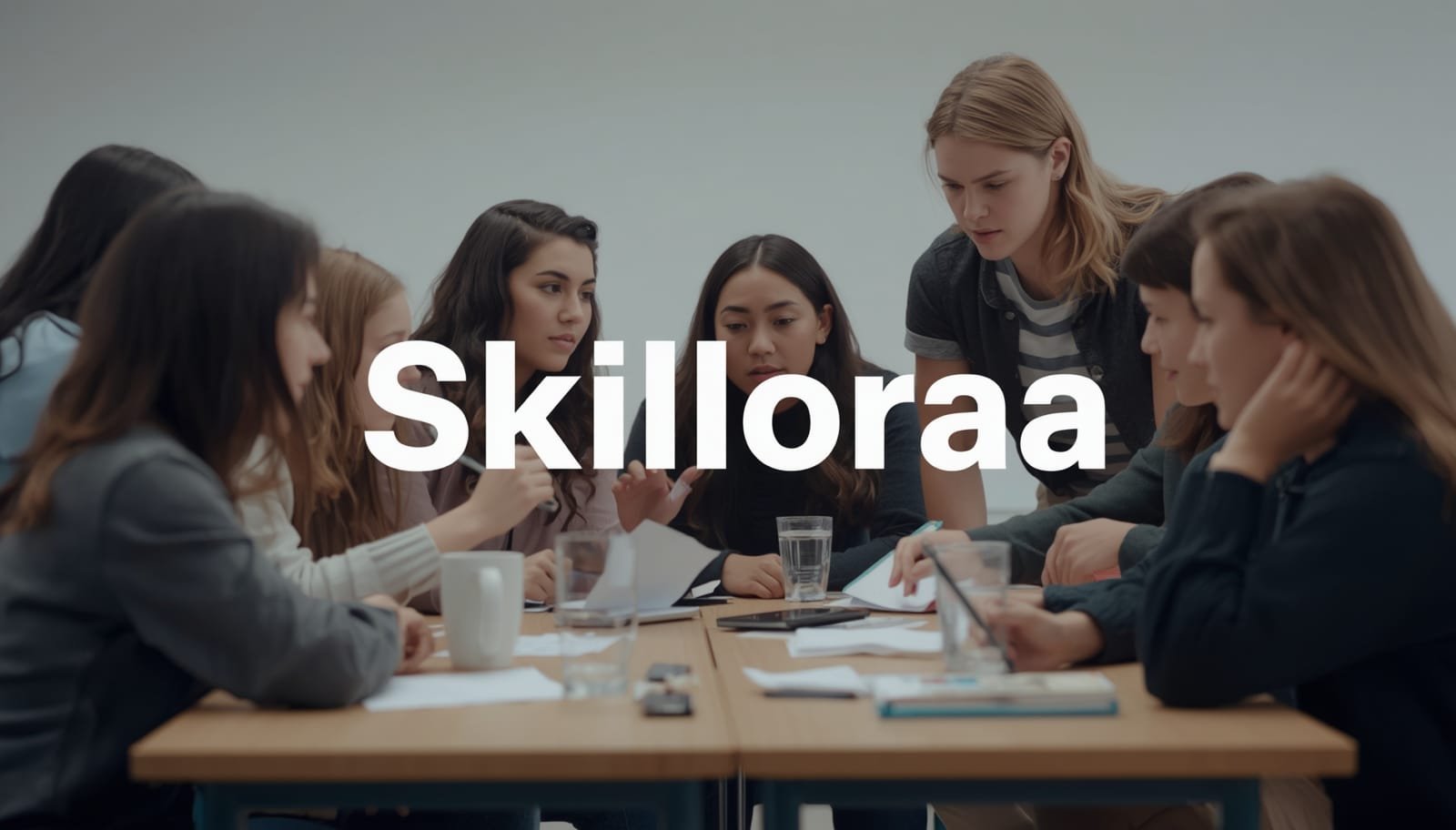
How Group Learning Helps Students Build Skills and Knowledge
Description
Learn how group learning supports knowledge sharing, communication, problem-solving, and skill development. Discover the role of collaborative learning in education.
How Group Learning Helps Students Build Skills and Knowledge
Education is not limited to individual study. Students often learn through interaction, discussion, and shared experiences. Group learning is a method where learners work together to understand concepts, solve problems, and exchange ideas.
In schools, colleges, training programs, and online learning environments, collaborative learning has become an important part of education. It allows students to participate actively in the learning process rather than relying only on individual study.
This article explains how group learning works, why it matters, and how it helps students develop knowledge and practical skills.
What Is Group Learning?
Group learning is an educational approach where multiple learners work together toward a common learning goal.
Participants may:
- Discuss topics
- Complete assignments
- Solve problems
- Share information
- Review lessons
- Exchange feedback
The purpose is to create opportunities for learning through interaction and participation.
Why Group Learning Matters
Learning with others creates opportunities that individual study may not provide.
Students often gain different perspectives when working with peers. Discussions allow learners to compare ideas, ask questions, and improve understanding.
Group learning supports:
- Knowledge sharing
- Communication
- Teamwork
- Critical thinking
- Problem-solving
These skills are useful in both academic and professional environments.
Benefits of Group Learning
Improved Understanding
Students can explain concepts to one another.
When learners discuss a topic together, they often identify gaps in understanding and clarify information through conversation.
Better Communication Skills
Communication plays an important role in education and employment.
Group learning encourages students to:
- Express ideas
- Ask questions
- Listen to others
- Participate in discussions
These activities help strengthen communication abilities.
Knowledge Sharing
Every learner brings different experiences and viewpoints.
Sharing information allows students to learn from one another and expand their understanding of a subject.
Increased Participation
Some learners engage more actively in small groups than in large classrooms.
Group discussions create opportunities for greater involvement and interaction.
Group Learning and Problem Solving
Problem solving is a major benefit of collaborative learning.
When students work together:
- Different ideas emerge
- Multiple solutions are considered
- Challenges are analyzed from different perspectives
This process helps learners approach problems more effectively.
The Role of Teamwork in Education
Teamwork is an essential skill in many workplaces.
Educational group activities prepare students for future professional environments where collaboration is often required.
Through teamwork, students learn:
- Responsibility
- Cooperation
- Time management
- Decision making
- Conflict resolution
These skills support long-term personal and professional development.
Group Learning in Online Education
Technology has expanded opportunities for collaborative learning.
Online platforms now provide tools such as:
- Discussion forums
- Video meetings
- Shared documents
- Virtual classrooms
- Learning communities
These tools allow students to collaborate regardless of location.
Online group learning supports communication and knowledge exchange among learners from different backgrounds.
Developing Leadership Skills
Group activities often create opportunities for leadership.
Students may:
- Organize tasks
- Coordinate discussions
- Manage deadlines
- Guide team members
Leadership experience gained during educational activities can support future career growth.
Building Confidence Through Participation
Many students gain confidence when sharing ideas in group settings.
Regular participation helps learners become more comfortable with:
- Speaking in discussions
- Presenting information
- Asking questions
- Providing feedback
Confidence developed through learning activities can benefit both academic and professional environments.
Challenges of Group Learning
Although group learning offers many advantages, some challenges may occur.
Unequal Participation
Not all participants contribute equally.
Clear responsibilities can help maintain balance.
Different Learning Speeds
Students may learn at different rates.
Patience and cooperation support successful collaboration.
Communication Barriers
Misunderstandings can occur during discussions.
Open communication helps reduce confusion.
How to Make Group Learning Effective
Establish Clear Goals
Every group should understand its objectives.
Defined goals help maintain focus.
Assign Responsibilities
Giving each member specific tasks encourages participation.
Encourage Discussion
Active discussion promotes engagement and knowledge sharing.
Respect Different Opinions
Learning environments benefit when participants consider multiple viewpoints.
Review Progress
Regular evaluation helps groups stay organized and productive.
The Connection Between Group Learning and Skill Development
Group learning contributes to the development of practical skills that extend beyond education.
Examples include:
- Communication
- Teamwork
- Leadership
- Critical thinking
- Problem solving
- Organization
These skills are valuable in workplaces, business environments, and daily life.
Future of Collaborative Learning
As educational technology continues to evolve, collaborative learning will likely remain an important part of skill development.
Digital platforms now support interaction among learners worldwide, making group learning more accessible than before.
Educational institutions and training organizations continue to integrate collaboration into learning programs because it supports engagement and knowledge sharing.
Conclusion
Group learning plays an important role in education and skill development. Through discussion, teamwork, and shared experiences, students gain knowledge while developing communication, leadership, and problem-solving abilities.
Whether learning takes place in a classroom or online environment, collaboration helps learners engage with content and participate actively in the educational process.
As education continues to evolve, group learning remains a valuable method for building knowledge and preparing individuals for future opportunities.
Frequently Asked Questions
What is group learning?
Group learning is a process where students learn together through discussion, collaboration, and shared activities.
Why is collaborative learning important?
It helps students develop communication, teamwork, and problem-solving skills while improving understanding.
Can group learning be done online?
Yes. Online platforms provide tools that support virtual collaboration and discussion.
What skills can students gain from group learning?
Students can develop communication, leadership, teamwork, organization, and critical thinking skills.
Does group learning improve academic performance?
Many learners benefit from knowledge sharing and discussion, which can improve understanding of educational topics